|
|
Phipps says tensions rising between country BY KAREN E. BOWES Staff Writer The Independent
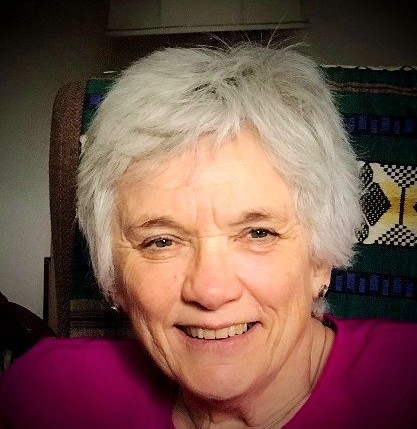
MIDDLETOWN — Joyce Antila Phipps really cares about her clients. Enough to fly all the way to Indonesia.
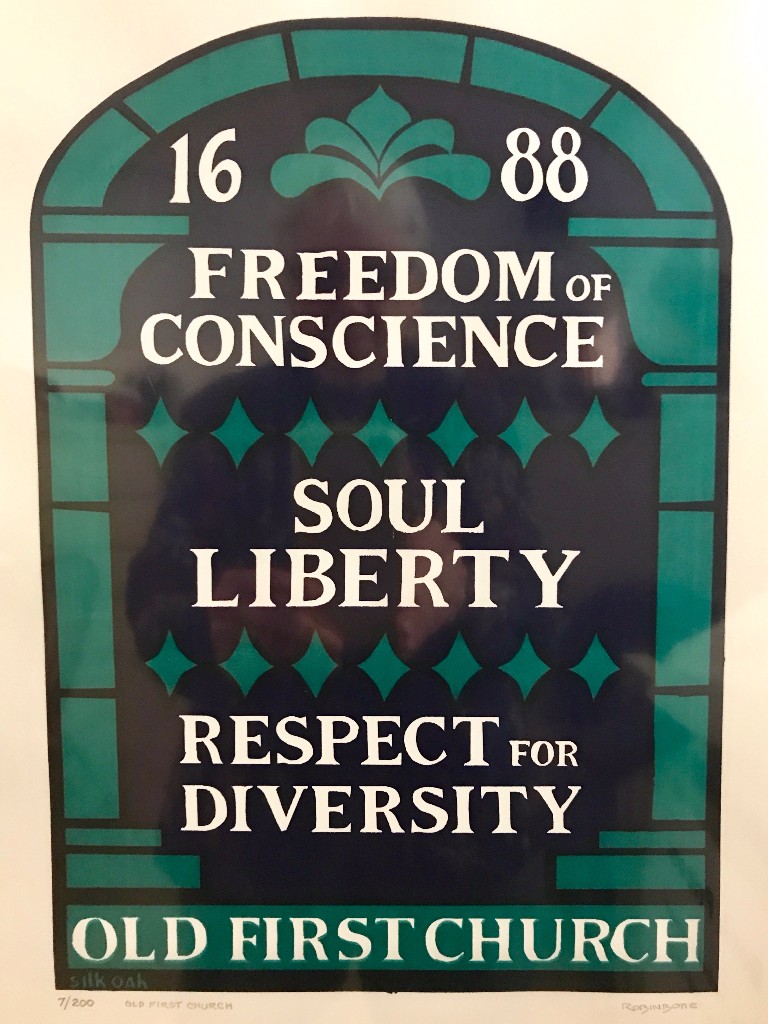
The immigration attorney and pastor of Old First Church, Middletown, traveled to the small town of Tomohon to teach at the Christian University of Indonesia and to visit with refugees. She returned from her trip Oct. 8.
“The Christians in Indonesia are living in a state of siege,” said Phipps. “They’re living in fear. They’re terrified of radical Muslims who are creating all kinds of havoc.”
According to Phipps, attacks against Christians began in the late 1980’s after the government implemented “transmigration,” the process of removing entire populations and placing them in other parts of the country.
The problem? Once primarily Christian areas, are now dominated by Muslims. The tension became more deadly beginning in 1999.
“The machete is the weapon of choice,” said Phipps. “They just start slicing people up.”
Phipps became interested in Indonesia in light of her 20 years of experience as an immigration attorney. After 9/11, new U.S. policies were introduced by Congress that called for special registration for males, age 16 and older, applying from predominately Muslim countries.
“One of those countries was Indonesia,” Phipps said. “But 90 percent of American Indonesians are Christians.”
Since then, Phipps has represented many Indonesian immigrants and worked to organize an Indonesian community center in Metuchen.
“It’s for all Indonesians,” said the part-time Christian pastor. “Not just Catholics or Protestants. We have a Buddhist and Muslim or two.”
Displaced with no place to call home, many Christians living in Indonesia find themselves living in the basement of churches or under bridges. Children are often abandoned out of desperation and left in orphanages.
“I went to a couple of orphanages,” said Phipps. “Many children are abandoned because their mothers think it’s better for their children to grow up in an orphanage and eat rather than starve to death.”
Poverty is a major problem in Indonesia, along with a lack of safe drinking water and sewer treatment.
“There’s no sanitary sewage treatment. Sewage pours out from the house into open drainage,” Phipps said.
In parts of the country, the open drainage is treated with lime, which helps mask the odor. In other parts, there is no treatment at all.
“In Jakarta, there is raw open sewage, even in the downtown area. The overwhelming sense is that the city smells like human waste,” Phipps said.
Jakarta is a city of 16 million, twice the size of New York City.
Despite its many problems, Phipps found Indonesia’s natural beauty incomparable.
“The flowers — it’s like living in a giant greenhouse,” said Phipps. “There are orchids all over the place. They attach themselves to the trees, to everything ... At night, you could see the red glow of the volcano.”
After two weeks in Indonesia, Phipps said she learned the limits of bad government.
“On the United Nations list, it’s the fifth most corrupt country in the world,” said Phipps.
An ordained minister since 1999, Phipps studied at the Yale Divinity. School, New Haven, Conn. When two ministers were recently shot to death while reading from the pulpit in Indonesia, the effect took its toll.
“Americans have no idea how lucky you are here. You can say anything you want. It sounds corny but it isn’t. It isn’t corny after you’ve been to these kinds of places. Americans are really blessed.”
Coming home, she feels grateful and proud to be an American.
“People take their religion a little more seriously when it’s being threatened,” she said.
(2004-10-06) - View the original article.
|
|