Texts: Psalm 80; Matthew 21: 33-46
Last March the New Jersey State Department of Environmental Protection in response to an executive order by Governor Christie began a process of lifting what it called “unduly burdensome” regulations that anti-regulators said impeded the growth of business in New Jersey. Needless to say, most environmental groups and some legislators denounced the move, saying that it would permit industry to pollute drinking water supply, developers to destroy valuable open space, and industry to create more brownfields.
Brownfields are defined by State statute as any “former or current or industrial site that is currently vacant or underutilized and on which there has been, or there is suspected to have been, a discharge of contaminants.” New Jersey has 23,000 such identified sites, 142 of which are Superfund sites. Now, in case you think this only applies to that smelly stretch of the New Jersey Turnpike and parts of Passaic County, there are 20 identified Superfund sites here in Monmouth County. It's obvious, of course, that we need less environmental regulation. After all, what are a couple of hundred deaths in New Jersey from cancer, asthma complications, and contaminated food compared to the wealth we can achieve through opening the doors to the robber barons who want to pollute the state in the name of economic development?
This past week, 15 persons have died as a result of Listeria contamination in our own U.S. grown cantaloupes. Over the past 20 years, the number of Food and Drug Administration inspectors have been reduced by a third, resulting in less inspection of field crops and fewer inspections of the plants that package the crops; the pressure to get it out faster to increase profits results in less attention to plant sanitation and safety. Our deregulation mania is coming home to roost.
What do these two examples have to do with our Scripture readings today? Here we have a householder who has planted a vineyard and left it in the care of some tenants who seized it for their own. In the parable, when the servants of the landlord comes to get the fruit, they are killed, and even the son of the landlord is killed by the wicked tenants. The parable is a not so thinly veiled story about God creating a land that has now been seized by a corrupt leadership; God's servants, the prophets, come to reclaim the land from corruption and are murdered. Even God's own son is murdered as he has come to reclaim the land.
In some sense our desire for increasing wealth over and above everything else has contributed to the ability of the wicked tenants, those elements of our political leadership, to dismantle and destroy the important regulatory agencies that protect us from corporate greed and, sometimes, from ourselves. Corporate greed doesn't exist in a vacuum; it requires our acquiescence to exist. In other words, as Pogo put it so well so many years ago, “We have met the enemy and it is us.”
Turning ourselves around is not easy. It's not easy to change our patterns of behavior nor it is any easier to change our expectations. We all expect to be “better off,” whatever that means, than our parents. What's interesting is the way that some commentators have lamented the fact that we may be the first generation, as they put it, to be worse off than our parents. That comment indicates a lack of historical memory. Many generations have been not as well off as their parents. We think we have gone through a seventy year cycle of constantly increasing wealth and expectations with only a blip or two on the way. That doesn't really reflect history. There have been a few wars, a few recessions, the gas crisis of the 1970s, the “me firster” approach of Ronald Reagan in the 1980s, and a bubble of growth during the decade of the 90s.
We, the wicked tenants, have either neglected or pooh-poohed the economic and environmental doom and gloom prophets. And in our drive to only get more and more we have also killed the spirit of the One who came to show us a better way, one that leads to real peace within ourselves. I say “we” because I honestly think I'm no better than anyone else. I joke about having lots of books, but I have to admit that it's hard for me to pass up that magic four letter word: SALE. We are all tempted by the climate of materialism around us. The important thing is to recognize the temptation for we cannot defeat what we do not admit that we are subject to.
The Psalmist laments the fact the nation has turned away from its covenant with God and asks for God to restore nation to wholeness. He acknowledges the fact that we – yes, we – are the ones at fault because we have turned away from the covenants into which we have entered. When our ancestors came to this land, they created covenants to engage in activities that would be mutually beneficial, not ones that would enrich some at the expense of others. Our national shame of slavery was a transgression against that covenant, one into which we slipped very shortly after arriving here. Our covenant with each other was to establish law and regulation for our mutual benefit; and we have abandoned that covenant in our drive to have wealth at the expense of minimum wage workers who cannot even afford to rent small apartments on their salaries. We are indeed the wicked tenants.
The land and the water do not belong to us; they are not our property. We are tenants, we are caretakers and we must take better care of what we have or it will not survive to the next generation. We must speak out for laws and regulations that protect us from our own willingness to destroy our inheritance so that our children and grandchildren will have one.
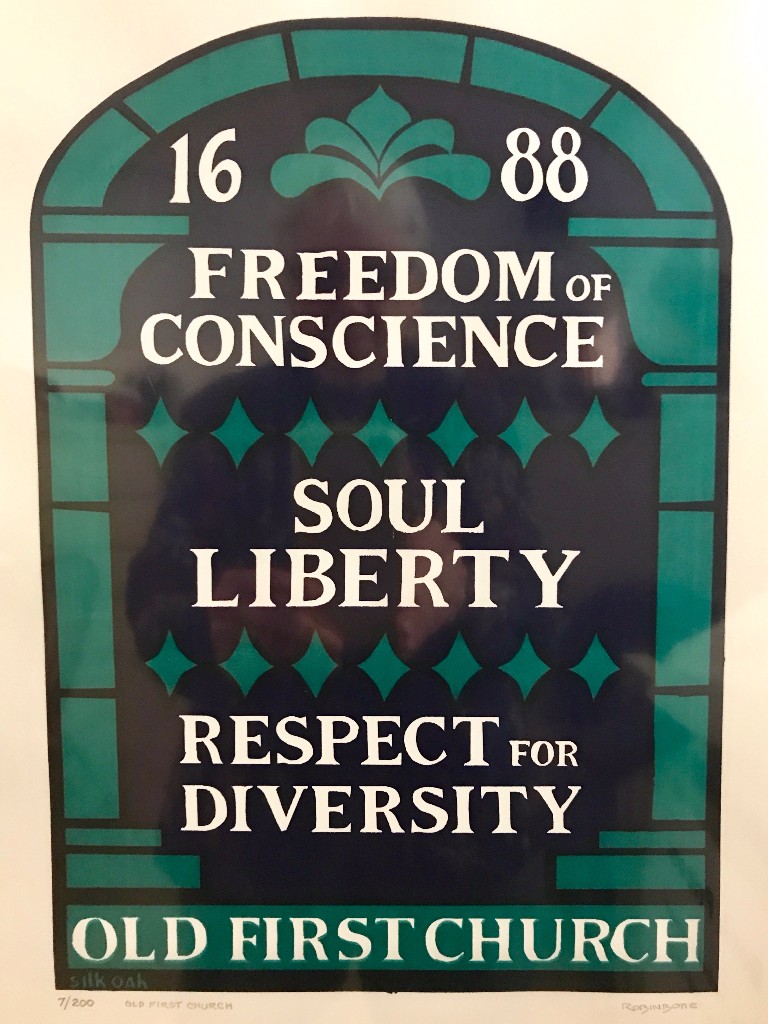
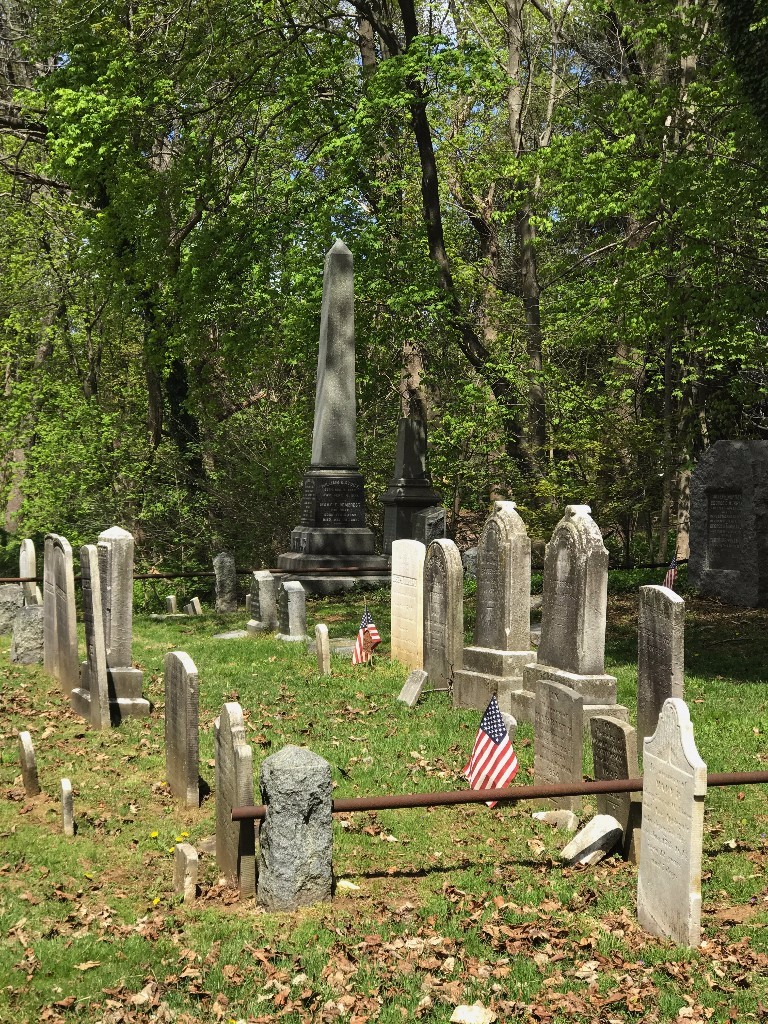
Sometimes, on Sunday afternoons I sit at the church office computer and look out at the old cemetery bordered by woods and see a deer or two come out. They graze silently over the graves of those who have gone before and there is a beauty of stillness in the air. I then wonder what this place must have been like three hundred and twenty three years ago when that small band of Baptists gathered together to organize what became this church. The heritage we have is one of the land and of the ideals they had: freedom to meet and worship, liberty to speak their minds – and they did that very well – to the point of acrimony at times, and a sense of how to preserve the land for future generations. We can recover the strength that they had by focusing on what really should matter rather than the transitory promises we receive from the world around us. As we come together to share the common elements of bread and wine, let us rededicate ourselves to our covenant, and in the words of the Psalmist: give us life, Holy One, and we will call on your name.
Let us pray: Holy One who calls us to care for the world you have given us, move us beyond our failings, and renew us so we are true disciples of the One who has shown us how to live, even Christ Jesus our Lord. Amen.